
I was on a call with a client this week and she mentioned how long of a drive she had to an author event where the only compensation she was receiving was book sales income after it was reported to her publisher.
This is something most people don’t know about book publishing. Authors aren’t paid for their time to make an appearance at your favorite bookstore. Bookstores aren’t compensating authors for their travel costs, lodging, or time preparing for an event. The only way anyone is getting paid is through book sales. (This may be different if you’re represented by a talent agent and are well-known for your expertise in a field and are doing interviews, but the general understanding is that you get paid for your appearance in exposure to a new audience.)
I asked my client a simple question then: Do you track your miles when you make those drives?
Her answer made me sad, because she’s been in publishing for a long time. And it made me wonder how many other tax breaks she may be missing out on because she didn’t know she could.
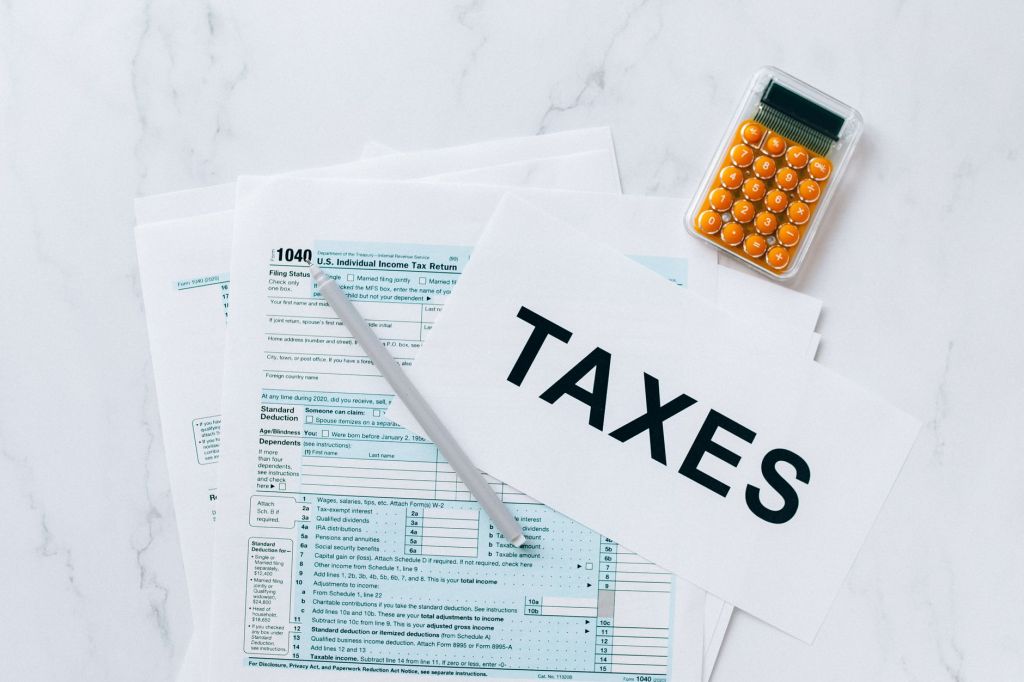
To help her and to help you, here is an incomplete list of the tax breaks available to authors.
Disclaimer: I am not an accountant or a lawyer. Please confirm if these match your situation with a certified accountant or lawyer. This is free, general advice given with the expectation that you will do your own research.
Treat your author career like a business.
To begin, we’re going to assess your author career as if you are a business. You can go so far as to actually create a legal entity (many people recommend LLCs, you can choose what is right for you) to protect yourself. I heard a lawyer once say, and this is a paraphrase, that you can expect to be sued as soon as you start making any real money. Keep that in mind as you think about curating your author career.
There are a few ways (check your publishing contracts) you may be able to make money as an author:
- Speaking Engagements
- Direct Sales
- Consignment Sales
- Merchandise Sales
- Consulting
- Related crafts (if you do any) and the sales of those crafts
This is where we get into the fun stuff.
This resource was recommended to me when my first book released, so I’m sharing it with you now. This is colloquially referred to as a Dome Book, but it is a simplified monthly bookkeeping record book. It will help you track your expenses and profits in an organized way. I’m using it personally and have found it very helpful in keeping tabs on book inventory, income, and expenses.
Let’s break down the simplest places to start tracking items for your taxes:
1. Merchandise
Every time you order copies of your own book, that is a unique expense to your business. The costs associated with getting those goods to you (in most cases, books, but also stickers, t-shirts, bookmarks you plan to sell, or anything else you plan to sell for a profit) qualify under your merchandise costs.
2. Delivery Costs
If you start selling books directly to readers through a system like SquareUP, you may find that you’re suddenly shipping books all over the country. This also applies to any copies you ship to give away for marketing (such as copies for Goodreads Giveaways).
3. Mileage and Travel Costs
The price of gas right now has most people in a bit of a pickle when they think about roadtripping anywhere. There are some rules around tracking Mileage (for example, you cannot deduct your daily commute) but if you buy plane tickets or a hotel room for an out-of-state conference or even a conference a far enough drive away that you don’t want to drive back and forth, those travel costs are a cost of doing business.
4. Food!
Who doesn’t love getting a small refund on food? Did you meet with your editor, your cover designer, or a marketing professional over lunch or coffee? Who picked up the bill? If you have a meeting with your lunch and you discuss work, the cost of your food is deductible by 50%. So next time, don’t hesitate to say it’s your treat.
If you’re traveling out of state and food is a necessary cost of that travel, your costs can be up to 100% deductible as a travel cost.
Unfortunately, buying food “for the office” is a harder line to walk, and buying food for yourself while working “out of the office” (for example, if you write at coffee shops often) is harder to justify. But if you and your critique group all meet to improve your craft and it is a work expense, you’re back into the 50% category.
The biggest qualifier here is that work must be discussed during the time out at a restaurant or cafe. Definitely do your own research here to make sure you understand when food is 50% deductible and when food is 100% deductible, and when it is 0% deductible.
5. Marketing Materials
You’ve seen them all around social media. Authors with beautiful book plates, huge banners, posters, and more. Every single printed piece of material you use to spread awareness for your brand that you give away is deductible. So print the business cards. Print the bookmarks. Order the custom pens! As long as they are for giving away and not for selling, they count in this category.
This also covers the wholesale value of books you give away as samples (Goodreads Giveaways, freebies to booksellers or librarians, or any free copies you give away at conferences and conventions). You cannot deduct the retail value here, but you can deduct the costs of production.
6. Other Office Materials
What are the other items you need to do your job as an author? Did your computer break? Do you write by pen and paper with notebooks or legal pads? Do you regularly attend conventions and sell from a table, so having table signs is a vital part of your business? How much printing do you do? How do you take payment from customers who buy directly from you? Did you buy any hardware for that? Do you pay any subscriptions to operate your business (such as Microsoft Word 360 or a paid level of an email newsletter service)?
If you answered yes to any of those, you can deduct those costs as well. They are required for the operation of your business.
And many, many more.
There are so many possible deductions available to you that help offset the wear and tear on your vehicle, depreciation of your laptop’s battery, printer ink, even office space in your house or apartment (how would you like to deduct part of your mortgage or rent?).
These rules can change year to year, so it’s important to make sure you’re talking with a qualified accountant when you include these operational costs in filing your taxes.
It may not compensate you for your time spent getting to events and any other costs involved with getting set up, but it is worth making sure you’re claiming whichever of these you’re sure applies to you.
As a final note, do make sure you’re charging sales tax for your county or state when you sell author copies. Even if you’re only selling your own book, you are functionally a book store.
Make good choices! Do your own research! I am not liable for your financial decisions. But I do hope this very short list has been helpful!

Jori Hanna is a writer and marketer from Denver, Colorado. She graduated from Taylor University with a degree in Professional Writing and loves working with authors to help them reach their full potential. Check out the Services tab to see what she can do for you. Follow her on most social media @authorjjhanna and @jjhannaacademy.
Thanks for reading! I’m celebrating the launch of my debut novel, The Regulars of Amanda Lexie. It is a coffee shop cozy thriller where a barista gets in too deep with both the mob and the FBI because they’re both in her drive-through. Check it out!>>


Leave a comment